

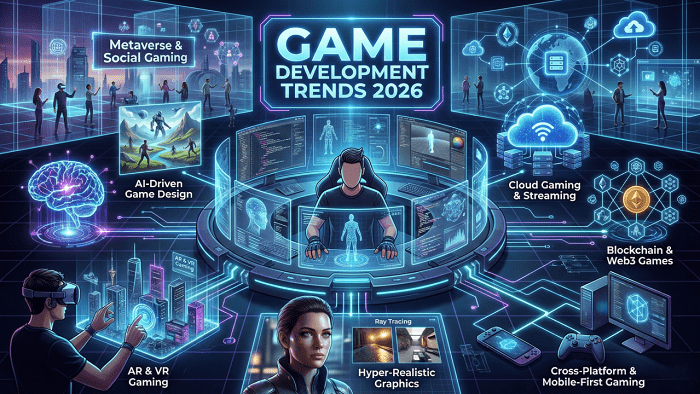
The landscape of global entertainment has undergone a tectonic shift over the last decade. As we navigate through 2026, the traditional boundaries of leisure have blurred, giving way to a high-tech, digital-first world where convenience meets cutting-edge innovation. For many, the appeal of physical venues has been replaced by the sophistication of online platforms that offer immersive experiences from the comfort of a smartphone or tablet. This evolution isn’t just about accessibility; it’s about the massive leap in software engineering and user-centric design that has made the digital realm more engaging than ever before.
The Technology Powering the Experience
At the heart of this transformation is the sophisticated software that powers modern interactive games. Unlike the mechanical versions of the past, today’s digital terminals are complex ecosystems driven by advanced algorithms. These systems, known as Random Number Generators (RNG), ensure that every single interaction is independent, fair, and entirely unpredictable.
In the current market, transparency has become the primary pillar of trust. Players are no longer satisfied with “taking a provider’s word” for it; they demand data and verified performance. This demand has led to the rise of real-time Return to Player (RTP) tracking and “provably fair” systems. When an enthusiast searches for a slot gacor, they are essentially looking for a platform that combines high-quality performance with a transparent payout structure. This shift toward data-driven transparency has allowed the industry to grow while maintaining a high standard of integrity and user confidence.
Designing for the “Flow State”
Great game design is as much about psychology as it is about coding. Modern developers work with behavioral specialists to create what is known as the “Flow State”—a mental condition where the user is fully immersed and focused. This is achieved through a meticulous balance of challenge and reward, high-definition 3D graphics, and reactive soundtracks that change based on the momentum of the session.
By providing “micro-progressions,” such as unlocking story chapters or filling up experience bars, developers ensure that the experience feels like a journey rather than a repetitive task. This immersive quality is what keeps the digital entertainment sector at the forefront of the global economy, rivaling even major cinematic productions in terms of budget and artistic vision.
Strategy and New Player Opportunities
The competitive nature of the digital market in 2026 has created a “buyer’s market” for consumers. With thousands of platforms vying for attention, the incentives offered to newcomers have reached an all-time high. For a savvy user, the most effective way to explore a new platform with reduced risk is to utilize a slot bonus new member package.
These promotions serve several critical functions beyond simple marketing:
- Risk Mitigation: They provide a financial cushion that allows players to learn the interface and features of a new site without immediately depleting their own funds.
- Operational Testing: A bonus allows you to test the platform’s mobile responsiveness and customer service efficiency in a real-world scenario.
- Volatility Analysis: By using promotional credits, players can gauge whether a game’s payout frequency matches their personal risk tolerance.
In 2026, the best platforms offer these incentives with clear, transparent terms, moving away from the complex and restrictive wagering requirements of the past toward a more player-friendly model that respects user time.
Security and Ethical Engagement
As our lives become increasingly digital, security is the top priority for any reputable operator. Modern platforms utilize military-grade encryption and biometric authentication (such as FaceID or fingerprint scanning) to ensure that user data and financial transactions remain impenetrable. Furthermore, the industry has integrated AI-driven guardians that monitor play patterns in real-time to promote responsible engagement. These systems can suggest breaks or set limits if they detect signs of fatigue, ensuring that the entertainment remains a positive and sustainable part of a user’s lifestyle.
Conclusion
The world of online entertainment in 2026 is a sophisticated, secure, and highly rewarding space. By understanding the underlying technology—from the mathematical precision of the games to the strategic value of initial incentives—players can navigate this digital frontier with confidence. As long as the focus remains on high-quality entertainment and informed decision-making, the digital renaissance of gaming will continue to offer some of the most exciting experiences in modern media.